
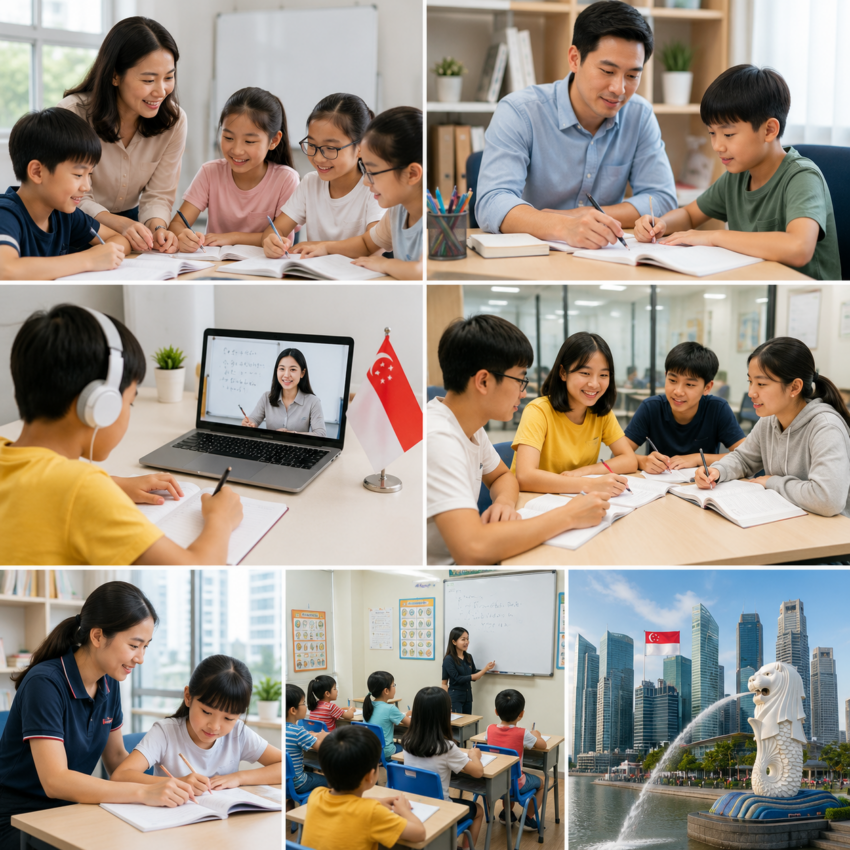
Executive summary:
Choosing the right tuition can feel confusing for parents. There are many options. In Singapore, tuition has become a common part of education and different learning formats are now available for different student needs. Some children learn better in groups, while others need personalised attention. A method that works well for one student may not suit another and this is why understanding the different types of tuition classes matters. The right fit helps. More than people realise.
Introduction
Parents in Singapore are constantly searching for the right academic support because every child learns differently. A tuition programme is usually selected based on grades alone but learning style matters just as much.
Children absorb information differently. Some students understand concepts through visuals. Others prefer discussion, repetition or practical problem-solving. The wrong tuition environment may reduce confidence even when the tutor is highly qualified. This guide also explains which learning style each option suits best.
Why Understanding Your Child’s Learning Style Matters
Some students process information quickly in groups. Others require quiet spaces and one-to-one guidance to fully understand concepts. Learning gaps can become larger when the teaching style does not match the student’s needs. Many children are labelled “weak” in a subject even though the issue may simply be the learning environment. That mismatch happens more often than parents realise.
The right tuition setup should support these differences rather than ignore them.
When parents choose tuition based only on popularity or price, important factors can be overlooked.
Group Tuition Classes
What Are Group Tuition Classes?
Group tuition classes involve one tutor teaching multiple students at the same time.
Advantages of Group Tuition
- More affordable than private tuition
- Builds confidence through peer learning
- Provides exposure to different problem-solving approaches
- Suitable for students who enjoy classroom environments
Challenges of Group Tuition
- Less personalised attention
- Teaching pace may not suit every student
- Shy children may struggle to participate
- Large class sizes can reduce interaction with tutors
One-to-One Private Tuition
What Is Private Tuition?
Private tuition involves personalised lessons conducted for a single student.
Advantages of Private Tuition
- Fully personalised learning experience
- Flexible teaching pace
- Immediate clarification of doubts
- Stronger tutor-student interaction
- Suitable for students with specific academic weaknesses
Challenges of Private Tuition
- Higher cost compared to group classes
- Less peer interaction
- Students may become overly dependent on tutors
- Scheduling can sometimes become difficult
Online Tuition Classes
What Is Online Tuition?
Online tuition allows students to attend lessons remotely through digital platforms such as Zoom or Google Meet.
Advantages of Online Tuition
- Lessons can often be replayed
- Reduced Travel
- Access to tutors beyond local neighbourhoods
- Interactive digital tools improve engagement
Challenges of Online Tuition
- Internet issues can interrupt lessons
- Some students may lose focus easily
- Younger learners may require supervision
Hybrid Tuition Programmes
What Is Hybrid Tuition?
Hybrid tuition combines physical and online learning. The balance can improve motivation.
Advantages of Hybrid Tuition
- Flexible learning structure
- Combines classroom interaction with online convenience
- Provides access to recorded materials
- Suitable for busy students
- Encourages independent learning skills
Challenges of Hybrid Tuition
- Requires good time management
- Students must adapt to different formats
- Some learners may prefer one format consistently
Home-Based Tuition Centres
What Are Home-Based Tuition Centres?
Tuition centres provide a classroom-like structure. They are very common in Singapore. Many tuition centres also specialise in exam preparation and they focus heavily on academic performance. It creates routine. And consistency.
Advantages of Home-Based Tuition
- Smaller class sizes
- More personalised interaction
- Comfortable environment
- Affordable than private tuition
Challenges of Home-Based Tuition
- Tutor quality may vary
- Less structured compared to larger institutions
Specialised Tuition Programmes
What Are Specialised Tuition Classes?
Specialised tuition programmes focus on specific subjects, examination preparation or learning challenges. Programmes are designed with targeted goals.
Advantages of Specialised Tuition
- Focused subject expertise
- Targeted support for specific weaknesses
- Advanced learning opportunities for stronger students
Challenges of Specialised Tuition
- May not address overall academic development
- Can become expensive
- Students may experience additional academic pressure
How to Choose the Right Tuition Type
Some children learn quickly through discussion and teamwork. Others require quiet instruction and repeated explanations. Academic personality should always be considered before selecting a tuition format. Parents should also ask practical questions.
Parents should look beyond popularity. Focus on the child instead. Budget, schedule and academic goals should also be considered and the decision should remain practical for the family.
Signs That a Tuition Method Is Working
Progress is not always immediate. But signs appear over time. Participation often improves and concepts are understood more clearly. Better organisation and stronger study habits are also positive signs and they usually indicate that the tuition style is suitable. Confidence grows slowly. But steadily.
Common Mistakes Parents Make
Parents sometimes choose tuition based only on reputation. That may not work. A popular tuition format may not suit every child and forcing a student into the wrong environment can increase stress. Too many tuition classes may also create burnout and children need time to rest as well. Balance is important.
Conclusion
There are many types of tuition in Singapore. Each one serves different learning needs. Group tuition promotes collaboration and healthy competition. Private tuition is one-to-one support. Flexibility and convenience are provided by online learning. Each option is for a different purpose.
Before parents select, they should consider learning style, academic goals etc. A thoughtful choice can improve both academic achievement and confidence. The right tuition environment should inspire, not stress children.
Families should also consider teaching, student engagement & support. And a child who loves learning often does better by nature. This is why finding the right fit is so important.
FAQs
Which tuition type is best for weak students?
Depends on the learning needs of the child. One-to-one or small group tuition can be very helpful for weak students. They may require more customised direction. Some learn better through structured online lessons and regular support. Support matters.
Why is online tuition becoming popular in Singapore?
It offers flexibility and convenience. Families appreciate that. Students can learn from home and travel time is removed. The best PSLE online tuition programmes also provide recorded lessons, interactive tools and structured revision support. It makes learning accessible.
How do parents know if a tuition style is working?
Progress can be observed over time. It may not happen right away. Children may feel more confident and finish work with less frustration. Other good signs are improved understanding and better study habits. Look for consistency.
Is group tuition suitable for every child?
Not always. Some students may struggle. Group tuition is suitable for children who like to interact and can keep up with the class. But quieter students or those who need more attention may prefer customised learning formats. It depends on comfort level.
