
Executive Summary:
- Parents often notice anger before they understand it. The behaviour is usually misunderstood. Child anger is not random and it is rarely about defiance alone. It reflects stress, unmet emotional needs and pressure that children cannot clearly express. Short tempers appear. Silence follows.
- Academic expectations, social struggles and routine changes often intensify emotions. These factors are frequently overlooked. Supportive routines, calm communication and consistent boundaries help children feel secure. Parents play an active role. Guidance is also strengthened when learning pressure is managed through structured options like PSLE online tuition, where clarity reduces emotional overload. Anger softens over time. Trust grows slowly.
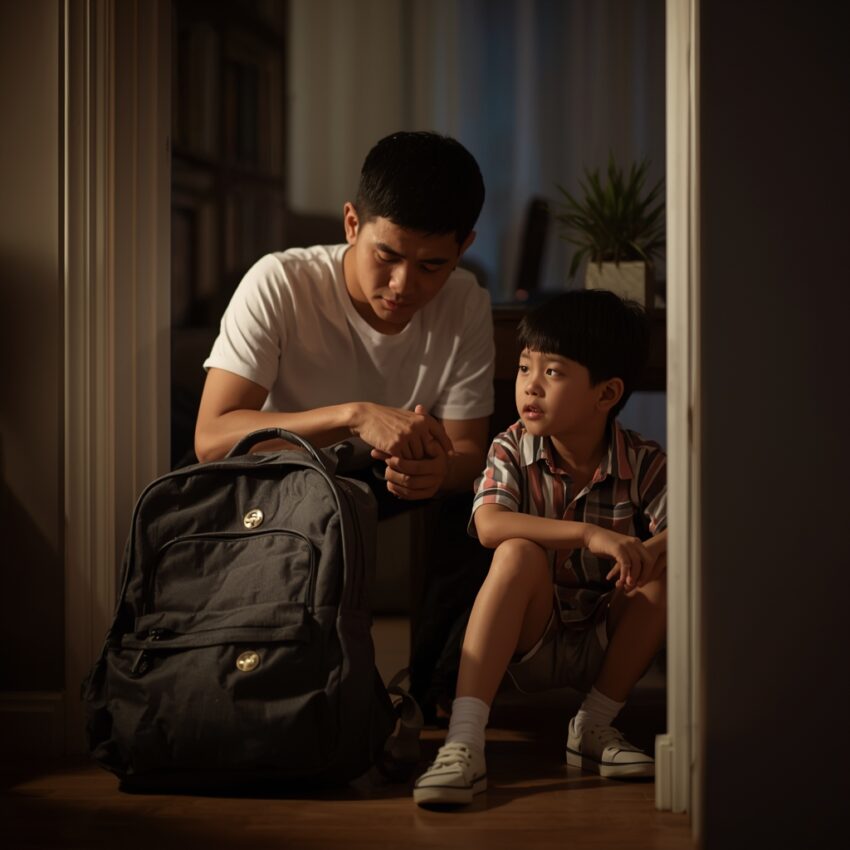
Parents notice changes quickly. Doors are slammed. Voices are raised. Silence stretches longer than usual. Anger is shown openly. And confusion is often felt quietly by adults who want to help but don’t know where to begin.
Child anger rarely appears without reason. It is shaped by pressure, expectations and emotions that children cannot always explain. Some feelings are expressed loudly. Others are bottled up until they spill over. Understanding comes first. Solutions follow later.
Understanding Child Anger Beyond “Bad Behaviour”
Many parents assume anger equals disobedience. That assumption is often misplaced. Child anger is usually a signal, not a threat. It points to stress, fear or feeling unheard.
Children feel things deeply. Their coping skills are still developing. Anger is used because words feel harder to reach. Sometimes moods shift suddenly. At other times, frustration builds slowly and then explodes. Both patterns matter.
Academic Pressure and Emotional Overload
School demands increase. Expectations rise quietly. Children feel watched, compared and measured even when no one says it out loud. Homework piles up. Mistakes are noticed. Confidence starts to slip. Anger is triggered when effort feels invisible. And moods are affected when children believe they are “never good enough.”
Some families turn to PSLE online tuition to ease this pressure. Structure is provided. Guidance is given. And learning becomes less overwhelming when support feels steady. Emotional load is reduced. Not eliminated. But softened.
Social Struggles That Often Go Unnoticed
Friendships change fast. Rejection hurts deeply. Children rarely explain this clearly. A small comment can linger. A moment of exclusion can ruin an entire day. Anger surfaces at home because home feels safe. Parents see the outbursts. The cause remains hidden.
Listening matters more than fixing here. Presence helps. Advice can wait.
How to Deal With Child Anger Outbursts at Home
Parents often ask how to deal with child anger outbursts without escalating the situation. The answer is rarely loud correction. Calm responses are needed. Firm boundaries should be kept.
Helpful approaches include:
- Pause before reacting.
- Acknowledge feelings before addressing behaviour.
- Keep rules consistent and predictable.
- Allow cooling-off time without punishment.
- Talk later, not during the peak of anger.
Control is learned through modelling. Children watch how adults handle frustration. This is how to deal with child anger outbursts in a way that builds trust instead of fear.
When Anger Becomes a Pattern
Occasional mood swings are normal. Constant irritability is not. If child anger appears daily, deeper causes should be explored. Sleep patterns may be affected. Diet could be inconsistent. Academic stress may be constant. Emotional safety might be missing.
Patterns are observed first. Labels are avoided. Support is most effective when it is early. Waiting rarely helps.
The Role of Routine and Emotional Safety
Children feel calmer when days feel predictable. Routines reduce anxiety even when life feels busy. Time for rest matters. So does unstructured play.
Families who balance learning, rest and connection see fewer emotional spikes. This balance is often supported through structured programmes like PSLE online tuition, where academic clarity reduces daily stress and emotional overwhelm.
Anger decreases when children feel capable again. Confidence returns slowly. But it returns.
Final Thoughts
Angry and moody behaviour is rarely random. It is communication. Child anger asks to be understood, not silenced. Calm is taught through example, not lectures. Parents who respond with patience see change over time. Not immediately. But meaningfully.
And when emotional support is paired with academic structure, whether at home or through PSLE online tuition, children begin to feel steady again. That steadiness changes everything.
FAQs
Is anger a normal emotion in children?
Yes, anger is natural. It is often misunderstood. Children experience frustration as they learn to manage emotions. Anger becomes a concern only when it is constant, intense or disruptive.
What usually triggers child anger at home?
Stress is a common trigger. It is often caused by school pressure, tiredness or feeling unheard. Changes in routine and social difficulties can also intensify emotions quickly.
Can academic pressure affect a child’s mood?
Absolutely. It is frequently underestimated. High expectations and learning struggles can increase frustration. Structured support such as PSLE online tuition can reduce stress and improve emotional balance.
