
Executive Summary
- In this article, we explore how increasing screen exposure is affecting children’s ability to concentrate.
- We explain how does screen time affect focus, why attention spans are shrinking, and how much screen time is too much for growing minds.
- The summary highlights practical ways parents can reduce digital distraction through simple routines, screen-free zones and healthier habits.
Parents fear this quietly. Some say nothing while worrying constantly. And some admit it openly: “Is my child losing focus because of screens?” It’s a valid question-one that deserves more honesty and less sugar-coating. Screens are everywhere now. And children rarely escape them.
Kids jump between apps quickly. Their brains are trained to crave fast rewards and patience is shrinking. This shift isn’t accidental. It is shaped by constant digital stimulation. Short attention spans are becoming normal. But normal doesn’t always mean healthy.
How Does Screen Time Affect Focus?
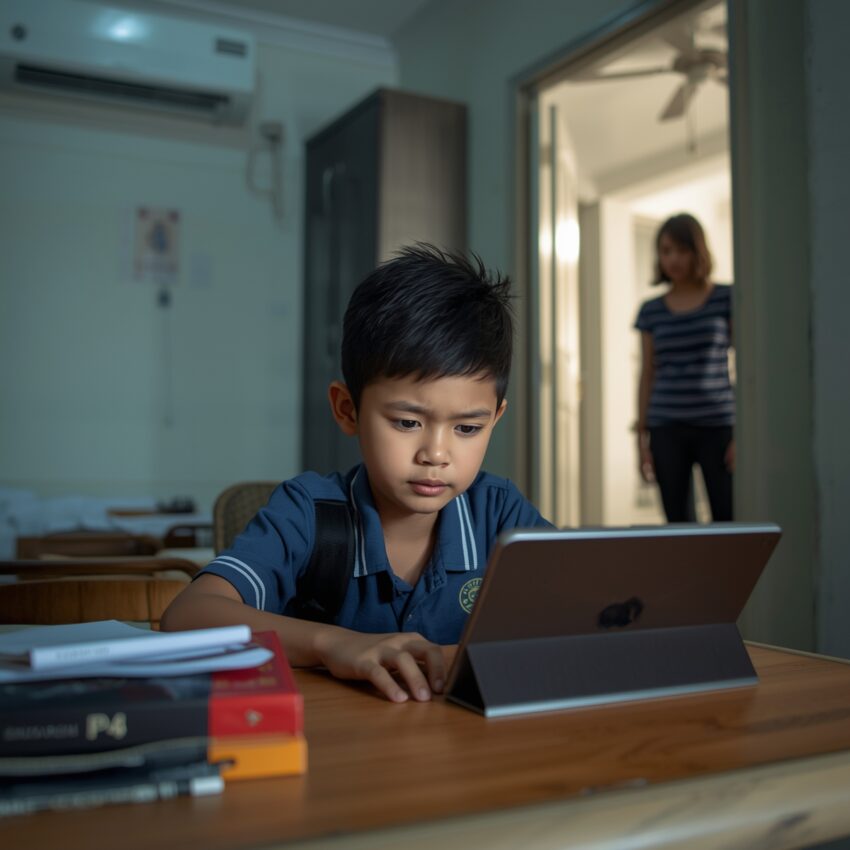
The Answer Isn’t Gentle. Parents ask, “How does screen time affect focus?” Well, it disrupts it. Kids lose the ability to stay with one task for long because screens reward distraction. Notifications keep pulling them away. And slowly, deep thinking becomes rare. Focus gets replaced by impulse.
How Much Screen Time Is Too Much?
More Than You Think. Some households believe they’re moderate.
Experts argue that how much screen time is too much depends on age, purpose and timing. Recreational screen time should be low. Educational screen time can be structured but even that needs boundaries. Children adapt quickly to limits. Adults struggle more.
Screens Change Mood Before They Change Attention
A child’s mood can be softened or disrupted within minutes. This often goes unnoticed by parents because screens keep kids quiet. Tantrums rise when devices are taken away. Energy drops right after long digital sessions. Mood is the first warning sign. Attention is the second.
Some parents switch into strict mode immediately. The devices are taken away suddenly and battles begin. This approach rarely works. Children respond better when transitions are gradual. A slow reduction in screen time builds healthier habits. It feels less like punishment and more like change.
Create Screen-Free Zones at Home
- You can start small. Set one area where screens aren’t allowed and let the habit grow naturally. Kids often follow the flow of the environment.
- And when they experience boredom again, imagination starts waking up. It’s surprising how quickly creativity returns.
- Children need quiet moments. They need long tasks. They need slow thinking. And they need boredom-because boredom builds resilience. Attention is strengthened the same way muscles are: consistently.
Raising Happy and Healthy Kids Requires Balance
Parenting isn’t about control. It’s about guidance and balance often matters more than strict rules. Reducing screen time won’t fix everything instantly but it creates space for growth. And in that space, genuine focus can return. Families who prioritise Raising Happy and Healthy Kids understand that the goal isn’t to eliminate screens. It’s to manage them wisely.
Final Thoughts
Screens aren’t the enemy. Mindless use is. If you keep asking yourself, “How does screen time affect focus?”, you’re already on the right track. What matters next is action-small, steady, intentional. Limit screens. Increase real-life moments. And show your child that focus isn’t lost forever. It just needs a chance to breathe again.
