
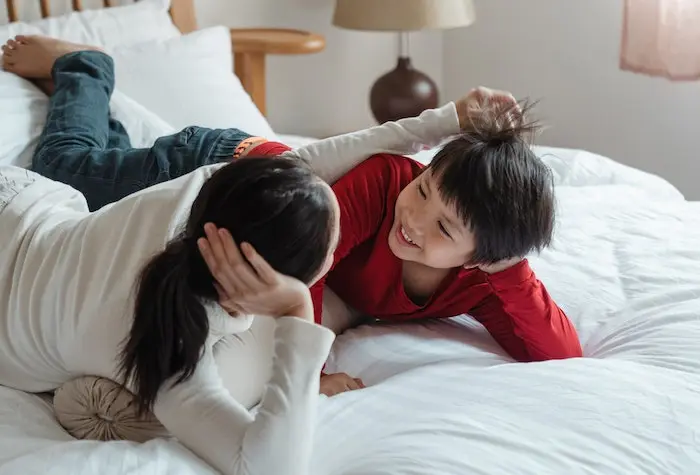
Executive Summary:
- In this article, conflict management is viewed as an essential life skill for children. Its importance is often underestimated. Children face disagreements daily, and they learn from each response they choose. And with the right guidance, calmer habits are developed over time.
- Parents play an active role in shaping these responses. Support is quietly provided. Clear communication and empathy are introduced early, and emotional awareness is strengthened through practice. And confidence grows when children feel heard rather than corrected.
Conflicts are a normal part of growing up. They are often misunderstood. Children face disagreements at school, at home and even during play and each situation shapes how they respond to pressure later in life.
Some children react quickly. Others withdraw. Both reactions are learned over time and with guidance, they can be reshaped into healthier responses.
Why Conflict Management Matters in Childhood
Children are actively learning how to express emotions. Mistakes are made along the way. Arguments may seem small, yet their impact can be lasting and emotional habits formed early tend to stay.
When conflicts are handled well, confidence grows. Trust is built. Children feel heard and relationships feel safer instead of stressful. Poorly managed conflicts, however, can linger. Feelings may be bottled up. Resentment is often carried forward and misunderstandings grow quietly.
Common Causes of Conflict Among Children
Many conflicts begin with simple misunderstandings. Instructions are misheard. Expectations differ and emotions rise faster than logic.
Some common triggers include:
- Sharing issues with friends or siblings
- Academic pressure and comparison
- Miscommunication during group work
- Fatigue or hunger
These situations are faced daily. They are not unusual. What matters is how children are guided through them.
Teaching Children to Pause Before Reacting
Parents can model calm responses actively. Strong reactions are observed. Children often copy what they see rather than what they are told.
A pause creates space. It slows emotions. Children learn that not every feeling needs an immediate response.
Simple habits help:
- Taking deep breaths before speaking
- Counting quietly
- Stepping away briefly from the situation
These strategies are easy.
Promoting Respectful and Clear Communication
Children should be encouraged to speak honestly. Their words must be guided. Feelings are expressed better when blame is removed. “I feel upset” works better than “You are wrong.” That difference matters. Respect is maintained even during disagreement.
Parents can practise this at home. Role-playing is used and confidence improves when children know what to say. This approach also supports learning environments. Group discussions become smoother and misunderstandings are resolved faster.
Helping Children See the Other Side
Empathy is developed gradually. It cannot be rushed. Children need time to understand that others feel differently.
Parents can ask gentle questions:
- “How do you think your friend felt?”
- “What would you feel in their place?”
Perspective-taking builds maturity. It softens reactions and conflicts lose their intensity when understanding grows.
Guiding Problem-Solving Instead of Assigning Blame
Solutions should be explored together. Blame is often avoided. Children feel safer when mistakes are treated as learning moments.
Ask guiding questions:
- “What can we do to fix this?”
- “What would help next time?”
This shifts focus. Ownership is encouraged and children feel empowered instead of criticised.
The Role of Structure and Support in Conflict Management
Routine provides stability. Learning environments also play a role. Support is strengthened when guidance is consistent. Some families notice this balance through PSLE online tuition, where structure and communication are emphasised without pressure. Confidence improves quietly. Stress reduces and children feel supported both emotionally and academically.
Teaching Conflict Resolution Through Daily Life
Not every lesson needs a lecture. Moments are used naturally. Every disagreement becomes a chance to practise better responses. Parents guide. Children observe. And habits are formed through repetition.
This is how to help a child resolve conflicts in a lasting way. Skills are built slowly. And emotional strength grows with time.
Final Thoughts
Conflicts do not mean failure. They signal growth. Children who receive guidance rather than criticism develop resilience.
Children can resolve conflicts more skilfully when they receive consistent support, communication and patience. Confidence follows. And relationships become stronger, calmer and more respectful over time.
FAQs
Why do children struggle to manage conflicts?
Children react emotionally because regulation skills are still developing. Patience is learned slowly. They feel strong emotions, and experience is limited. And guidance helps them respond instead of react.
How can parents support better conflict resolution at home?
Parents model calm behaviour during disagreements. Consistency is required. Simple language is encouraged, and listening is practised daily. And children learn most from what they observe.
When should adults intervene in a child’s dispute?
When emotions get out of control, adults should intervene. Boundaries are needed. Minor disagreements can be observed, and space can be given. And support should appear when safety or respect is affected.
Can structured learning environments help with emotional skills?
Yes, structured settings support emotional growth. Stability is provided. Children feel secure with routines, and communication improves naturally. And some parents notice this balance through PSLE online tuition, where guidance remains steady.
How long does it take for children to improve conflict skills?
Progress happens gradually. There is no fixed timeline. Small improvements appear with practice and confidence builds quietly. And consistency makes the biggest difference.
