
Executive Summary:
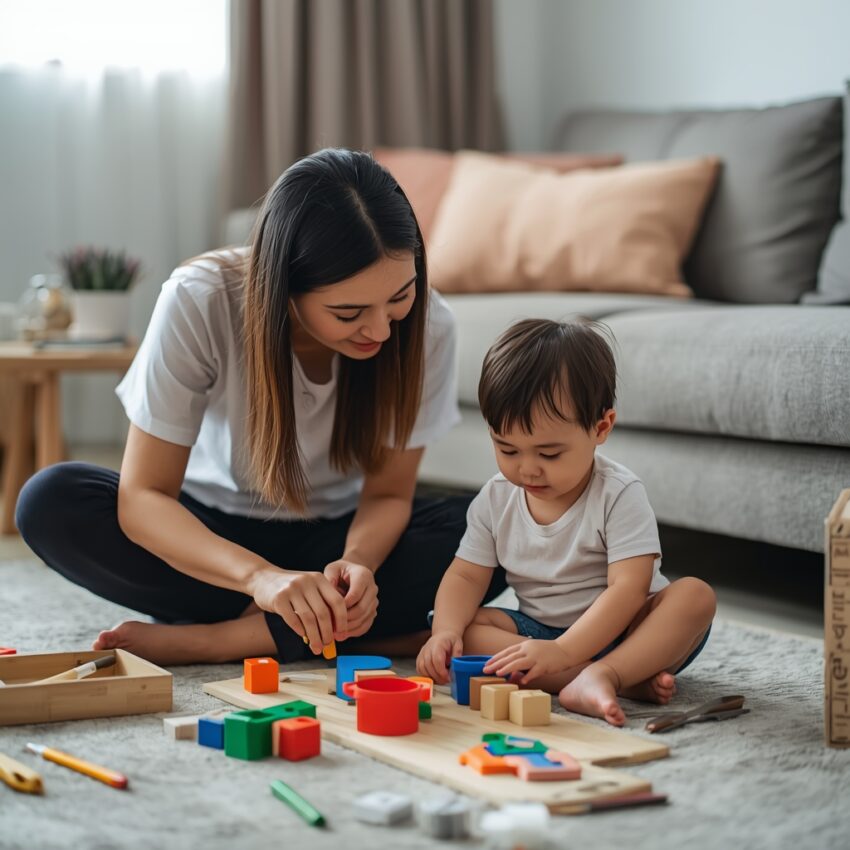
- Toddlers don’t need big lesson plans. They need small, fun moments. Simple educational activities at home can quietly build language, coordination, confidence and thinking skills and most of this learning happens naturally when your child feels relaxed and curious. It doesn’t have to look “academic”.
- Sorting colors, counting spoons, playing with sensory bins or telling silly little stories together may seem basic and strong foundations are being built during these tiny interactions. That’s how early learning works. Keep it short. Keep it light.
- As your child grows, academics will slowly become more structured and much later in primary school years some parents may explore support like PSLE online tuition if needed. But for now? Focus on play. Connection comes first.
Toddlers are curious about everything. And that curiosity is powerful. You don’t need fancy toys or expensive classes to start early learning at home. Because simple educational activities done daily can shape how your child thinks, speaks and explores. Learning can be playful. At this age, attention spans are short. So keep it simple.
Here are five easy and fun educational activities for kids that you can try at home without stress.
1. Color Sorting with Household Items
Open your kitchen drawer. You already have materials. Use buttons, bottle caps, straws or small safe objects and ask your toddler to sort them by color into different bowls and hand-eye coordination is strengthened through this simple task. It looks basic. But thinking skills are activated. Patterns are recognised early.
You can name the colors as they sort, repeat them slowly and encourage your child to say them back to you and language development is supported naturally in the process. Repetition helps memory. It feels like play. It is learning.
2. DIY Sensory Bins
Toddlers love touching things. Textures excite them. Fill a large container with rice, beans or pasta and hide small safe toys inside for your child to find. As they experiment with various textures, their sensory awareness grows. Ask questions while they play.
Vocabulary is expanded gradually. “Is it rough?” “Is it smooth?” “Can you find the blue toy?” Cognitive skills are developed under your gentle guidance. It becomes an adventure. Messy? A little. Worth it? Absolutely.
3. Counting with Everyday Objects
Math can start early. It doesn’t need worksheets. Use fruits, blocks or even spoons and count them aloud together and number recognition is introduced in a relaxed and playful way. Keep the tone cheerful. “Let’s count to five.” Clap after each number.
When numbers are repeated daily in small moments like snack time or cleanup time, familiarity grows naturally and confidence begins to form. No stress involved. Short sessions work best. Toddlers tire quickly.
4. Storytelling with Picture Cards
Children love stories. Imagination grows fast. You can draw simple pictures on paper cards or print basic images and ask your toddler to describe what they see and communication skills are strengthened through guided storytelling. Don’t expect perfection. Let them speak freely. Correct gently when needed.
When they attempt new words, encourage them warmly and language development is supported in a safe and positive way. Confidence builds quietly. The goal is expression. Not grammar rules.
5. Shape Hunt Around the House
Ask your toddler to find objects shaped like circles, squares or triangles around the house. Their observation skills will be sharpened through active searching. Learning becomes movement. Point at a clock. “That’s a circle.” Show them a book. “That’s a rectangle.”
When shapes are connected to real-life objects, understanding becomes stronger and memory retention improves without formal teaching. It feels natural. They run around happily. You smile quietly.
Why Start Educational Activities So Early?
Early childhood is powerful. As children grow older, structured academic support may become necessary, especially in primary school years when exams approach and some parents later choose support systems like PSLE online tuition to strengthen subject foundations. That stage comes later. For toddlers, keep it light.
Final Thoughts
You don’t need perfection. You need consistency. Five to fifteen minutes a day of simple, engaging educational activities can make a meaningful difference over time and your toddler’s brain will respond to regular stimulation in amazing ways. Small efforts add up. Play with them. Talk to them.
FAQs
What if my toddler doesn’t seem interested?
That’s normal. Interests change quickly. Some days they may be excited and other days they may walk away halfway through an activity. Flexibility is important and forcing participation can reduce curiosity. Try again later. Keep the tone light.
Am I starting too early with educational activities?
Honestly? No. Toddlers are always learning anyway. Even talking to them while folding laundry counts as learning and simple educational activities for kids like sorting or naming colors just make that learning a little more intentional. No pressure needed. If they’re curious, you’re doing fine. That’s enough.
What happens if my young child won’t sit down to complete the task?
If they walk away halfway, it doesn’t mean the activity failed and attention spans at this age are naturally short. Try again later or turn it into a game with movement. Follow their energy. Not a strict plan.
Do I need to buy special learning kits?
Nope. Your house is full of tools already. Most educational activities for kids can be done with bowls, spoons, paper, crayons or toys lying around and creativity matters far more than expensive materials. Simple works beautifully. Use what you have. Keep it safe and fun.
Will this actually help when school starts?
Yes, in a gentle way. It builds comfort. When children are already familiar with numbers, colors, shapes and basic communication, school feels less overwhelming later on and confidence tends to show up naturally. That’s the real advantage. As they grow older, academics may become more serious and structured support like psle online tuition might be considered if needed but toddler years are really about curiosity and connection. No rush. Let them explore.
