
Executive Summary:
- In this article, we explore how primary school learning skills must be strengthened before students move into secondary school. The transition is often underestimated. Academic expectations rise, independence is required and learning habits are tested more than ever. Skills are no longer supported closely, and responsibility is shifted to the student.
- Parents often focus only on grades. But learning structure, emotional readiness and daily discipline matter just as much. Students who build strong habits early adjust faster. And confidence develops when routines are clear and manageable.
- This article explains how independence, time management and deeper thinking prepare students for secondary school. Progress is gradual.
The move from primary to secondary school changes how students learn, not just what they study. Expectations are raised. Teachers introduce concepts faster, students are expected to keep up and responsibility is shifted gradually onto the learner. This transition feels exciting for some. And for others, it feels overwhelming at first.
Parents often assume academic ability alone is enough. Learning skills that worked well in primary school must be strengthened. This way, students can cope with heavier workloads and deeper thinking in secondary school.
How Learning Expectations Change in Secondary School
Primary school learning is guided closely by teachers. Support is provided step by step. In secondary school, teachers explain concepts but follow-up work is expected to be done independently. Notes are taken faster. And instructions are given once instead of repeated.
Students must listen actively and process information quickly. Questions are encouraged. But initiative is required and this can surprise students who are used to constant reminders. Early gaps are often noticed. And habits start to matter more than ability.
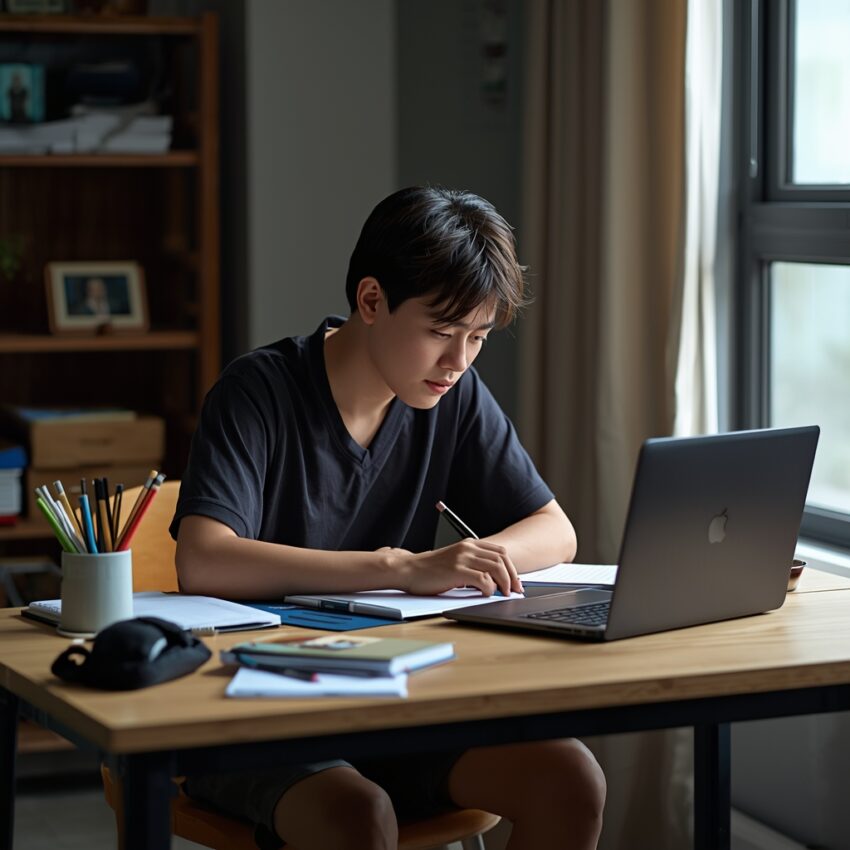
Building Independence in Daily Study Habits
Students begin to manage their own learning. This responsibility is introduced slowly. Homework is no longer just about completion; it becomes a tool to check understanding. Students who review errors improve steadily. And confidence builds quietly.
Independence can be strengthened through simple actions:
- Planning homework before starting
- Revising weak topics instead of avoiding them
- Checking feedback and correcting mistakes
These habits create consistency. Stress is reduced.
Time Management Becomes Non-Negotiable
Secondary school schedules move quickly. Time feels tighter. Students juggle multiple subjects, different teachers and varied expectations. Learning to plan becomes essential. And poor organisation shows up fast. Students who use planners stay calmer. Deadlines are remembered. Short study sessions work better than long, distracted ones. Breaks are used wisely. And balance becomes achievable.
Secondary subjects demand deeper understanding. Facts alone are not rewarded. Students are asked to explain ideas, apply concepts and justify answers. This shift can feel uncomfortable initially. And practice makes it manageable. Questions must be read carefully. Answers need structure. Students benefit when they explain concepts in their own words. This builds clarity. And retention improves naturally.
Practical Skills That Support Academic Growth
More than just textbooks are necessary for learning success. Life skills are involved. Practical skills to learn in high school include organisation, communication and self-discipline. These skills operate quietly. And their impact is long-lasting.
Students who organise notes and manage deadlines feel more in control. Confidence follows structure. Small routines support bigger academic goals. And overwhelm is reduced.
Emotional Readiness Matters More Than Expected
Secondary school introduces new environments and social dynamics. This shift is felt deeply. Students meet different teachers, adapt to new peer groups and face unfamiliar expectations. Confidence may dip. And reassurance is needed.
Parents play a supportive role. Conversations matter. Effort should be acknowledged, not just results. When mistakes are treated as normal, students recover faster. And resilience grows.
Choosing the Right Secondary Environment
Every child responds differently to pressure. This remains true. When families Choose the Right Secondary School, they look beyond rankings and focus on teaching style, support systems and school culture. The right environment supports growth. And stress feels manageable. Support is valued. A good fit strengthens learning habits and emotional stability at the same time.
No student transitions perfectly. Skills improve through use. And confidence develops gradually. Upgrading learning skills before secondary school creates stability. Students adapt better. They step into independence with clarity, resilience and readiness for what lies ahead.
