
Executive Summary:
- Travelling introduces children to learning that happens beyond just classrooms. Perspective changes. New environments challenge routines, encourage questions and create moments where thinking and feeling develop together.
- Through travel, communication improves and emotional awareness expands without formal instruction. Skills are shaped quietly.
- When balanced with light academic support, including options like psle online tuition, learning continues without pressure. Stability remains.
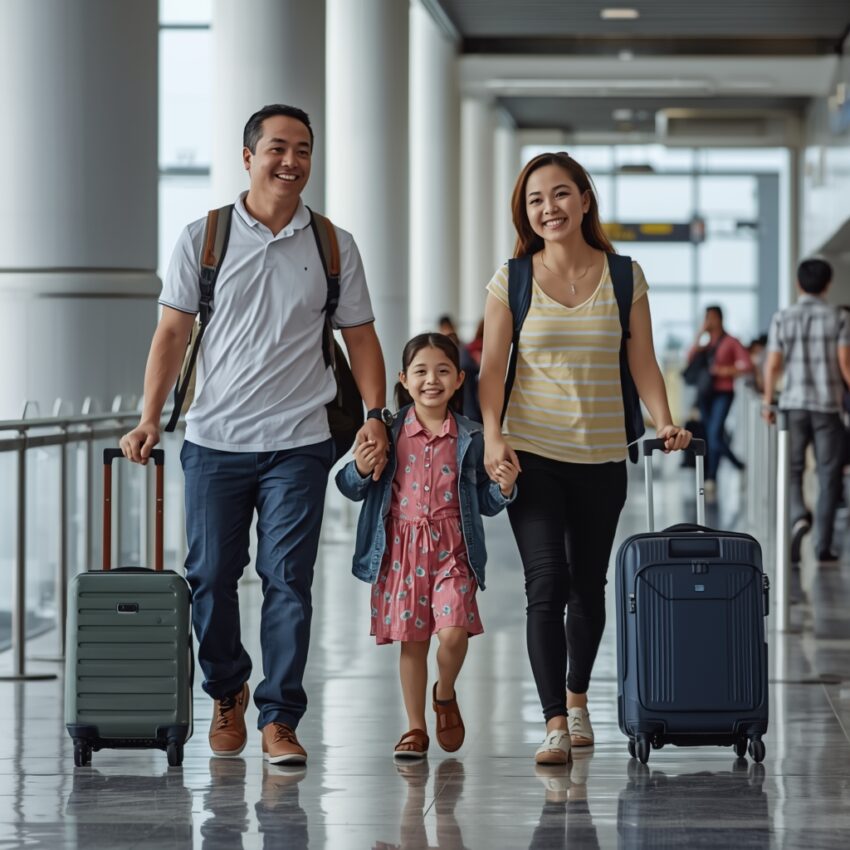
Travelling with children changes the way they see the world. Curiosity awakens. Airports feel unfamiliar, languages sound different and routines shift. But learning begins long before a museum or landmark is reached.
When children experience new places firsthand, lessons move beyond textbooks. Understanding deepens. The learning benefits for children gained through travel often stay with them far longer than facts memorised in a classroom. Impact lasts.
Learning Beyond Books and Screens
Children learn actively when they travel. Lessons are absorbed. They observe daily life, compare environments and notice differences without being instructed to do so. Understanding grows organically. A market visit teaches maths, communication and social awareness at the same time.
Connections are formed. Learning becomes layered instead of isolated into subjects. Meaning deepens. This type of learning supports academic growth later. Transfer happens.
1. Cultural Awareness Develops Naturally
Children notice cultural differences immediately. Attention sharpens. Languages sound different, traditions feel unfamiliar and social habits vary from what they know at home. Exposure is expanded. They start asking why people live differently and how cultures shape daily choices. Curiosity drives learning.
2. Communication Skills Are Strengthened Through Real Interaction
Travel pushes children to communicate in practical situations. Comfort is tested. Ordering food, asking for directions or greeting strangers requires effort and patience. Confidence is challenged.
Children learn to listen carefully and adjust their words when misunderstandings happen. Problem-solving improves. Communication skills are built through necessity rather than practice drills. Growth feels natural. These experiences often make classroom discussions easier later. Confidence carries over.
3. Learning Becomes Practical and Memorable
History feels different when children visit real places. Connection forms. Geography makes sense when landscapes are seen instead of described. Concepts click. Children remember stories more clearly when they are tied to experience. Retention improves. Learning becomes personal rather than abstract. Impact lasts. This often leads to deeper interest in school subjects later. Motivation grows.
4. Emotional Intelligence Develops Quietly
Travel exposes children to a variety of lifestyles and perspectives. They observe how people live in different ways and still find common ground. Empathy is developed. Small challenges while travelling teach patience and emotional regulation. Self-control strengthens.
Emotional intelligence is developed through shared experiences and reflection. Growth feels natural. These traits support friendships, teamwork and classroom behaviour. Benefits extend.
5. Balancing Travel With Academic Responsibilities
Parents often worry about disrupted studies during travel. Concern is common. Short reading sessions or casual revision can maintain learning habits without pressure. Balance is possible.
Some families use psle online tuition flexibly to support learning while allowing children to explore freely. Support adapts. Academic learning does not stop during travel. It transforms. When managed correctly, travel and education can complement one another. Harmony forms.
How Travel Supports Long-Term Learning
Travel teaches children how to observe, adapt and reflect. Skills accumulate. These habits promote lifelong learning well beyond school exams. Foundations are laid. Children return with stories, confidence and broader thinking. Growth is visible.
The learning benefits for children gained through travel often shape attitudes toward learning itself. Mindsets shift. When learning feels meaningful, curiosity continues naturally. That matters.
Final Thoughts
Travelling the world offers children more than memories. It teaches quietly. Children learn skills that help in their academic, emotional and social development through exposure, interaction and reflection. Learning deepens.
When travel is balanced with guidance and light academic structure, children return not only refreshed but enriched. Growth continues.
FAQs
How does travelling help children learn differently from school?
Travel places children in real-life situations where learning happens naturally. Context matters. They observe, ask questions and connect ideas without feeling tested. Engagement increases.
Does travelling improve a child’s confidence?
Yes, confidence is built when children navigate new places and situations. Comfort zones expand. Small successes during travel encourage independence. Self-belief grows.
Can travel help with communication skills?
Children communicate more intentionally when routines change. Listening improves. They learn to express needs clearly and adapt to different responses. Confidence strengthens.
How can parents balance travel and studies effectively?
Short reading sessions and casual discussions maintain learning habits. Pressure is reduced. Some families use psle online tuition to stay consistent without rigid schedules. Support adapts.
Is travel-based learning suitable for younger children?
Yes, younger children absorb experiences deeply. Observation comes naturally. Simple exposure can shape attitudes and curiosity early on. Foundations form.
