
Executive Summary:
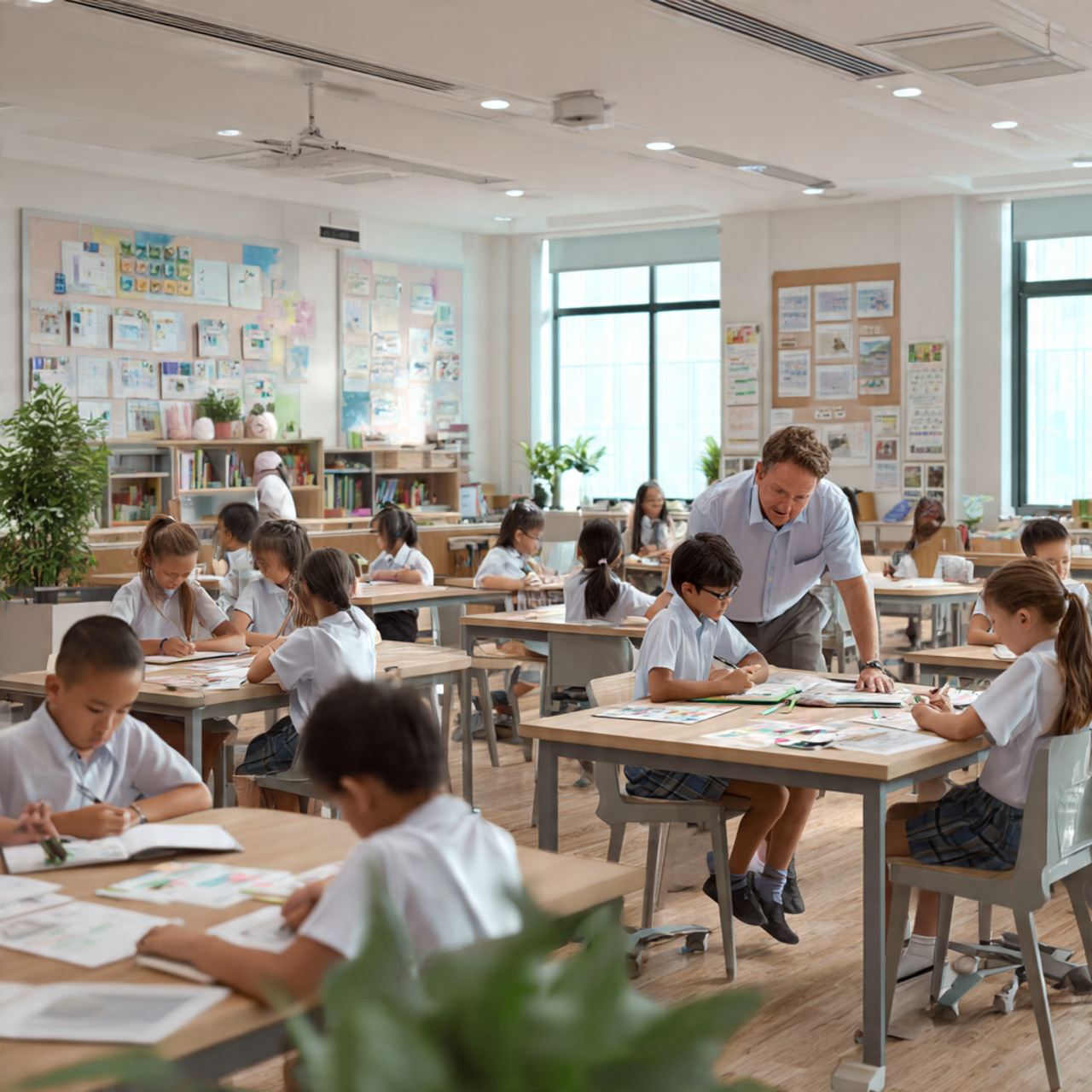
- Inclusive education reshapes how children learn, interact and grow together. Barriers are reduced. Teachers actively create classrooms where differences are accepted and students learn side by side without labels. Support is blended into everyday learning so no child feels isolated. Learning environments are designed to adapt, not exclude.
- Digital tools now play a supporting role. Access is expanded. Options like PSLE online tuition allow learning to continue in flexible ways while maintaining inclusive values. Education becomes fairer, calmer and more human.
Education shapes more than academic results. Expectations are challenged. Belonging is quietly built. Some children walk into school confident and others arrive unsure but inclusive environments give both the space to grow. Barriers are lowered slowly.
Parents notice small changes first. Confidence is strengthened. When lessons are adjusted thoughtfully, students engage more deeply and participation feels natural rather than forced. Understanding expands.
Understanding Inclusive Education in Simple Terms
Inclusive education means learning together, even when abilities, backgrounds or needs differ. Separation is avoided. Schools plan environments where support is shared and children are not singled out. Every student participates in the same community.
Some learners need more time. Others need guidance. Support is provided quietly and confidence is protected. Differences are acknowledged without being highlighted.
Why Inclusion Matters More Than Ever
The Importance of inclusive education is felt beyond test scores. Empathy is developed. Children observe differences daily and understanding grows naturally. Respect is learned through interaction rather than instruction alone. Academic growth is influenced as well. Progress is monitored. Students feel comfortable asking questions and mistakes are treated as learning steps.
Lessons are adapted. Activities are planned to encourage teamwork and strengths are shared among peers. Rules are explained clearly. Expectations are reinforced. Children understand boundaries and fairness is experienced consistently.
Emotional and Social Growth Through Inclusion
Inclusion supports emotional development in quiet ways. Belonging is created. Students feel accepted and anxiety is reduced. Confidence grows slowly but steadily. Friendships form naturally. Trust is built. Children learn patience and communication improves through shared experiences.
The Role of Parents in Inclusive Learning
Parents influence how children view inclusion. Positive attitudes are demonstrated. Respect is shown at home and children carry these values into school. Conversations shape understanding more than lectures.
Support must be consistent. Effort is required. When parents work with educators, children feel secure and guided.
Digital Learning and Inclusive Support
Technology strengthens inclusive practices when used wisely. Flexibility is provided. Students revisit lessons and learning gaps are addressed privately. Pressure is reduced through personalised pacing.
Platforms like psle online tuition extend classroom inclusion. Access is widened. Guidance continues beyond school hours and learning remains supportive rather than overwhelming.
Inclusion Beyond the Classroom
Inclusive education influences communities over time. Values are shared. Children grow into adults who respect differences and social harmony improves. Inclusion becomes a habit, not a policy.
Progress may feel slow. Impact is lasting. When classrooms reflect inclusion daily, communities are transformed quietly and meaningfully.
FAQs
Does inclusive education slow down learning?
Many parents worry about this. The opposite is often observed. Students learn cooperation and lessons are designed to meet varied needs without lowering standards.
How do teachers manage inclusive classrooms effectively?
Teachers plan lessons carefully and use flexible strategies. Support is provided. Group work, clear routines and differentiated tasks help maintain balance.
Can online learning support inclusive education?
Yes, when used thoughtfully. Learning is extended. Tools such as psle online tuition offer personalised pacing while keeping students connected to shared goals.
