
Executive Summary:
- In this article, we explain why personalised learning is becoming a preferred approach for many families. It tailors lessons to each child’s pace, strengthens engagement and builds long-term confidence.
- Parents see how examples of personalised learning- like adaptive quizzes, custom worksheets and targeted revision- help children stay focused and motivated. Many also ask, “Does personalized learning work?” and consistent results suggest that it does.
- Overall, we will see why personalised learning helps children learn more effectively and confidently.
What is Personalised learning?
Personalised learning gives children a way to study that feels natural and less stressful. It is widely trusted by parents who want steady progress. Teachers shape each lesson to match how a child learns best and how quickly they understand new ideas. Some children respond instantly.
And PSLE online tuition is often powered by these personalised methods to boost learning outcomes.
1. Learning That Adapts to Your Child
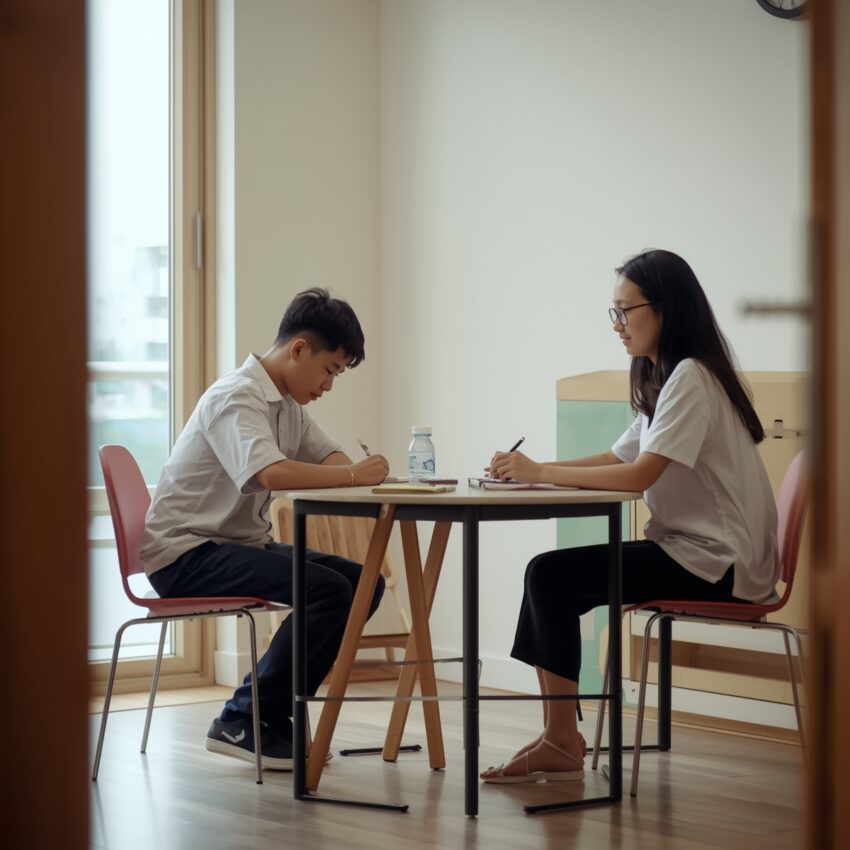
Parents actively look for methods that fit their child’s pace and learning style. Mistakes are not criticised in personalised learning; they are seen as helpful clues. Teachers adjust difficulty step by step so children never feel lost. Kids feel supported. And examples of personalised learning can be found in customised worksheets, adaptive quizzes, flexible lesson choices and targeted revision plans.
Children explore lessons in ways that hold their attention longer. Their progress is tracked closely so no gap is missed. They feel encouraged to learn in a way that suits them. And growth is nurtured steadily.
2. Engagement Improves and Results Strengthen
Personalised learning keeps students active because every lesson feels relevant. Its impact has been reported across many classrooms. Children understand concepts with more clarity when their doubts are addressed immediately. They stay focused. And knowledge is built layer by layer, allowing deeper learning.
Parents often wonder, “Does personalized learning work?” Many educators say it does because improvement is seen consistently. Students gain a stronger foundation instead of memorising for tests. This is common. And PSLE online tuition uses these techniques to reduce stress and increase confidence.
3. Confidence, Ownership and Independence
Teachers guide children gently so they learn without feeling pressure. Confidence is raised through small but steady achievements. Students start planning their work and taking responsibility for it. It becomes natural. And the environment encourages them to ask questions freely.
Children develop a sense of control over their learning journey. They take more initiative because the path is clear. Their progress feels meaningful rather than overwhelming. And personalised learning pros and cons are discussed to help parents make informed choices.
Personalized learning pros and cons
- It offers children a more comfortable pace.
- Extra guidance may still be needed.
- Students feel more motivated because lessons match their style.
- But some programs rely a bit too much on devices.
- And a balance between technology and human guidance is usually recommended.
Conclusion
Personalised learning is shaping the future of education by focusing on what each child needs. Its long-term benefits have been observed in schools and homes. Children learn with more confidence, less pressure and clearer understanding. They grow at their own speed. And PSLE online tuition continues to use this approach because it keeps learning simple, steady and meaningful.
