
Executive Summary:
- Let’s keep it simple. Most students feel sleepy in class at some point. If you’ve been wondering how to stay awake in class, the answer usually isn’t complicated. It’s not about forcing yourself to try harder. It’s about fixing small daily habits that quietly affect your energy. Sleep is often reduced. Breakfast is skipped.
- Posture becomes lazy and screen time stretches too late into the night and all of this adds up during lessons the next day. Focus drops. Eyes get heavy. The good news? Small changes work. Even managing your study load matters, especially if you’re attending psle online tuition along with school. Balance is key. Energy can be trained.
- When your routine improves, staying awake becomes much easier and you won’t need to keep searching for how to stay awake in class again and again
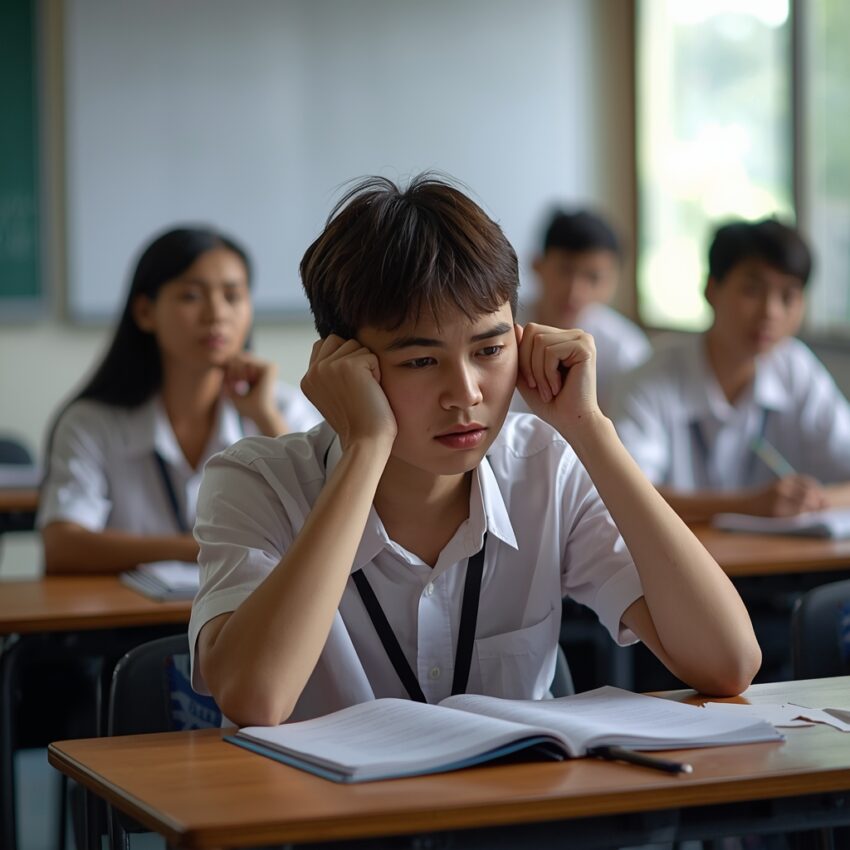
We have all been there when you are sitting in the class and your eyes starts to shut down. The teacher is explaining a topic, the fan is spinning loudly but you can not focus. Your brain starts to feel so slow and lazy.
If you have ever googled how to stay awake in class, you’re definitely not the only one. It happens during early morning periods, after lunch and especially during long lessons. Sometimes it’s not even boring. You’re just tired. So instead of pretending it does not happen, let’s see what actually helps.
1. Sleep properly. Seriously.
You stay up late. The next day suffers. It sounds obvious but most of the time sleep is sacrificed first. Your brain needs proper rest to function well and when sleep is cut short, focus is affected immediately. Seven to nine hours is ideal. Scrolling at 1 am is not. If you fix this, consider half the problem solved.
2. Don’t skip breakfast.
You rush out of the house. Energy is left behind. Your body slows down and your blood sugar falls when you skip breakfast. That heavy, sleepy feeling? It’s often just hunger. Eat something simple. Even a banana helps. Your brain runs on fuel. Feed it.
3. Sit like you mean it.
Slouching feels comfortable. But it makes you sleepier. Maintaining a straight posture increases oxygen flow and alertness. Take notes actively. Your brain wakes up when you engage.
4.Actually participate.
Just listening passively is dangerous. Sleep creeps in fast. When you answer a question or even mentally respond to what the teacher is saying, your brain switches on. Participation forces attention and attention keeps you awake. Raise your hand sometimes. Even if you’re unsure. Involvement helps more than you think. Speak clearly. Stay involved. Participation forces your mind to stay present. It keeps boredom away.
5. Move a little.
Sitting still for too long drains energy. The body gets lazy. You don’t need to be dramatic. Just adjust your position, stretch your legs during appropriate moments or roll your shoulders slightly. You feel more rested and your blood circulation improves. Small movement works. Too much fidgeting doesn’t. Keep it subtle.
Small movements help. Stillness increases drowsiness. You can stretch your legs gently, adjust your sitting position or roll your shoulders during appropriate moments so that blood circulation continues smoothly. Movement refreshes the body. Avoid fidgeting excessively. Stay respectful. Controlled motion keeps your energy balanced during long lessons. It works quietly.
6. Fix your night routine.
Late-night screen time is addictive. Sleep quality gets affected. Your sleep cycle is disturbed by blue light and it becomes difficult to stay awake next day.
7. Drink more water.
It’s simple. Most people forget. Even mild dehydration can make you feel tired and unfocused and sometimes that sleepy feeling isn’t boredom at all. It’s just your body asking for water. Carry a bottle. Take small sips. It adds up.
8. Splash Water or Wash Your Face During Breaks
Use your break very wisely. A quick splash of water on your face stimulates your senses. Refreshment is immediate. Step outside briefly. Short resets can improve focus significantly. It feels simple but effective.
9. Don’t overload your brain.
Back-to-back studying drains you. Burnout builds quietly. Take short breaks. If you attend psle online tuition, space your sessions properly so you’re not mentally drained all day. Online learning gives flexibility but it needs to be managed smartly. Balance matters.
Plan your study schedule wisely. Overloading is discouraged. When students attend school, complete homework and then immediately jump into long tuition sessions without rest, mental exhaustion builds quickly and staying awake becomes harder. Balance must be maintained.
Break study time into blocks. Take short breaks in between. If you attend psle online tuition, make sure sessions are spaced properly so that your energy is preserved and your focus remains sharp. Structure helps greatly. Online learning offers flexibility. It should be used smartly.
Final Thoughts
Simple changes are powerful. With proper rest, active participation, hydration and balanced support like psle online tuition, students can stay focused and perform better consistently. Alertness can be trained.
FAQs
Does posture really make a difference in staying awake?
Yes, more than you think. Slouching signals relaxation. When you sit upright and stay engaged, your body remains slightly more alert and oxygen flows better. It sounds minor but it changes how your brain responds during lessons. Try it for a week. You’ll notice it.
Can too much tuition make me feel more tired in school?
It can. Overloading is real. If your day is packed with school, homework and long sessions of psle online tuition without proper breaks, mental fatigue builds up. Staying awake becomes harder because your brain hasn’t rested properly. Spacing sessions helps. Balance matters.
What’s the fastest way to wake up during a lesson?
Move slightly. Reset your focus. Sit upright, take a deep breath, write something down or engage in the discussion. Small actions signal your brain to switch back on. You don’t need dramatic tricks. Consistency works better.
