
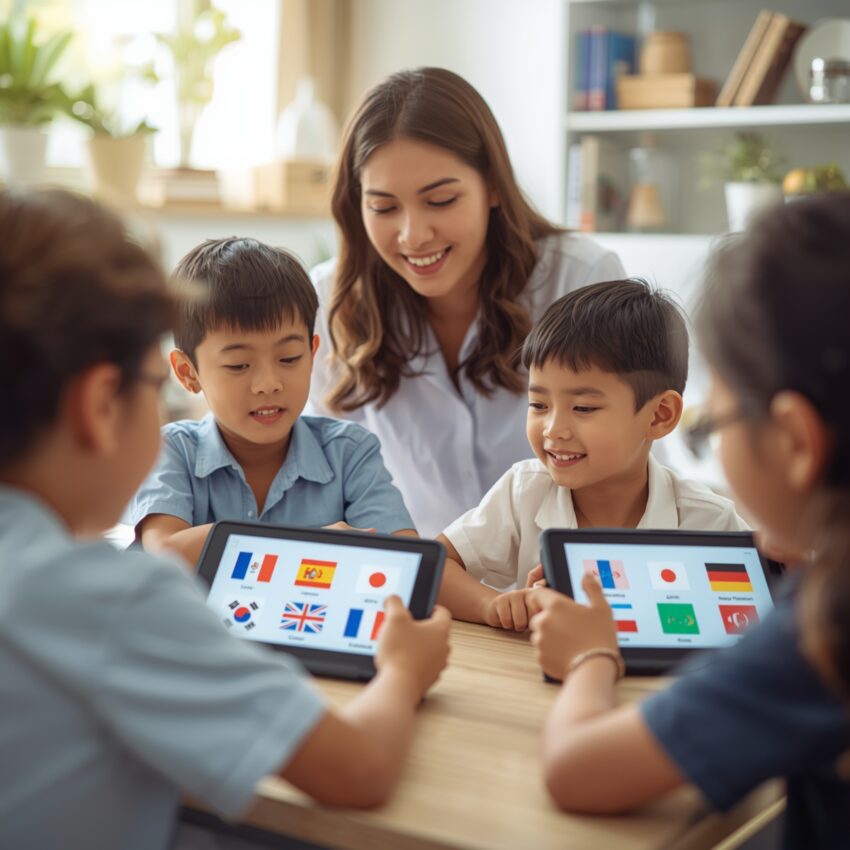
Kids absorb everything. Words, accents, jokes, even songs they don’t fully understand. Their brains are built for learning. So why not feed it something powerful? Foreign languages- they open up the world. They build empathy, memory and confidence. And honestly? They just make life more interesting.
Language learning for kids is not just a “nice-to-have” anymore. It’s a necessity. Especially in a world where being multilingual is a skill not a surprise. And no, it’s not about raising a genius. It’s about raising a human who can connect, adapt and thrive anywhere.
Let’s explore 5 foreign languages your child should learn and why they matter more than you think.
1. Mandarin Chinese
It’s everywhere. Mandarin is the most spoken language in the world. For kids in Singapore, it’s not even foreign, it’s practical. Businesses use it, communities speak it and schools promote it. It builds a strong foundation for future opportunities in trade, culture and travel. The writing system might look intimidating at first but children? They pick it up faster than adults ever could.
When language learning for kids includes Mandarin, you’re gifting them both cultural and career leverage. You can even add to lessons through stories, cartoons or fun quizzes. Pairing it with structured help from PSLE online tuition can also strengthen their focus and discipline across subjects, language included.
2. Spanish
Bright. Expressive. Global. Many nations, including Argentina, Mexico and Spain are accessible through Spanish. Kids love it because of how it sounds. And honestly, it’s useful. Imagine your child travelling the world and being able to chat, order food or make friends in Spanish. That’s real confidence.
If you’re looking for long-term benefit, this one ranks high. Spanish can grow with your child, from fun childhood songs to real-world career advantages.
3. French
Elegant, melodic, slightly dramatic- French is beauty in sound form. Children who learn French early often have sharper pronunciation skills because of its rhythmic complexity. Cartoons, picture books and short phrases like “Bonjour!” or “Merci!” are good places for young children to start learning French.
Consistency is key. The same discipline used in PSLE online tuition small & regular study habits applies here too. A few minutes daily can turn into real fluency later. And who knows? Maybe one day your child will read Victor Hugo in his original words.
4. Japanese
It’s not just anime and sushi. Japanese is discipline disguised as language. There’s structure. Respect. Subtlety. It teaches children how to listen before they speak which is a rare skill in today’s world. The writing can be complex at first glance but it is incredibly logical once you understand it. Kids who love patterns or visuals often find Japanese easier than expected.
Besides, Japanese pop culture, cartoons, games, songs make learning natural and fun. They can enjoy while they learn without realising they’re studying. This is what great language learning for kids looks like- curiosity-driven and self-fueled.
5. German
Precise. Logical. Bold. German builds strong grammatical awareness. It strengthens problem-solving skills because of its structured patterns. It’s also the language of innovation- think science, engineering, technology.
If your child is analytical, German fits perfectly. There’s also something empowering about mastering a language known for its long and complex words. It will make you feel accomplished.
So, Which Language Should You Choose?
The truth is that it makes no difference which one you choose first. What matters is starting early. Kids’ brains are flexible, forgiving and incredibly fast learners. But if your child already spends hours studying or attending PSLE online tuition, keep the approach light. A little daily exposure, not pressure, works best. Songs, apps and games can make learning effortless.
Language should feel like discovery not duty.
Final Thoughts
The goal isn’t perfection. It’s connection. Every new language adds a new lens through which your child sees the world. So pick one. Let them stumble. Let them mix words, forget phrases and laugh through the process. That’s how real learning happens. Language learning for kids isn’t about fluency today. It’s about planting curiosity for life. And that, more than grades or exams, is what truly prepares them for the world.
